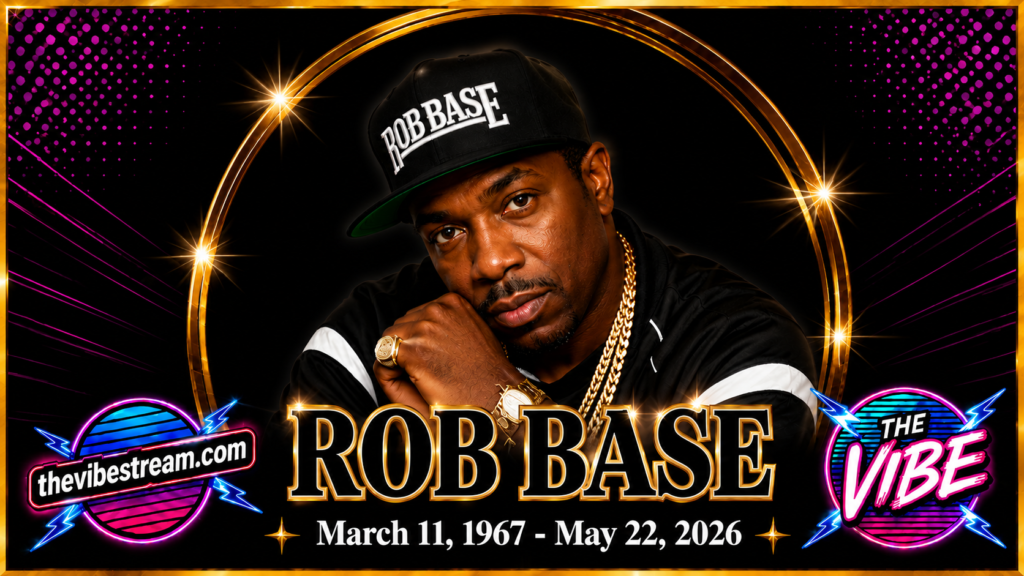


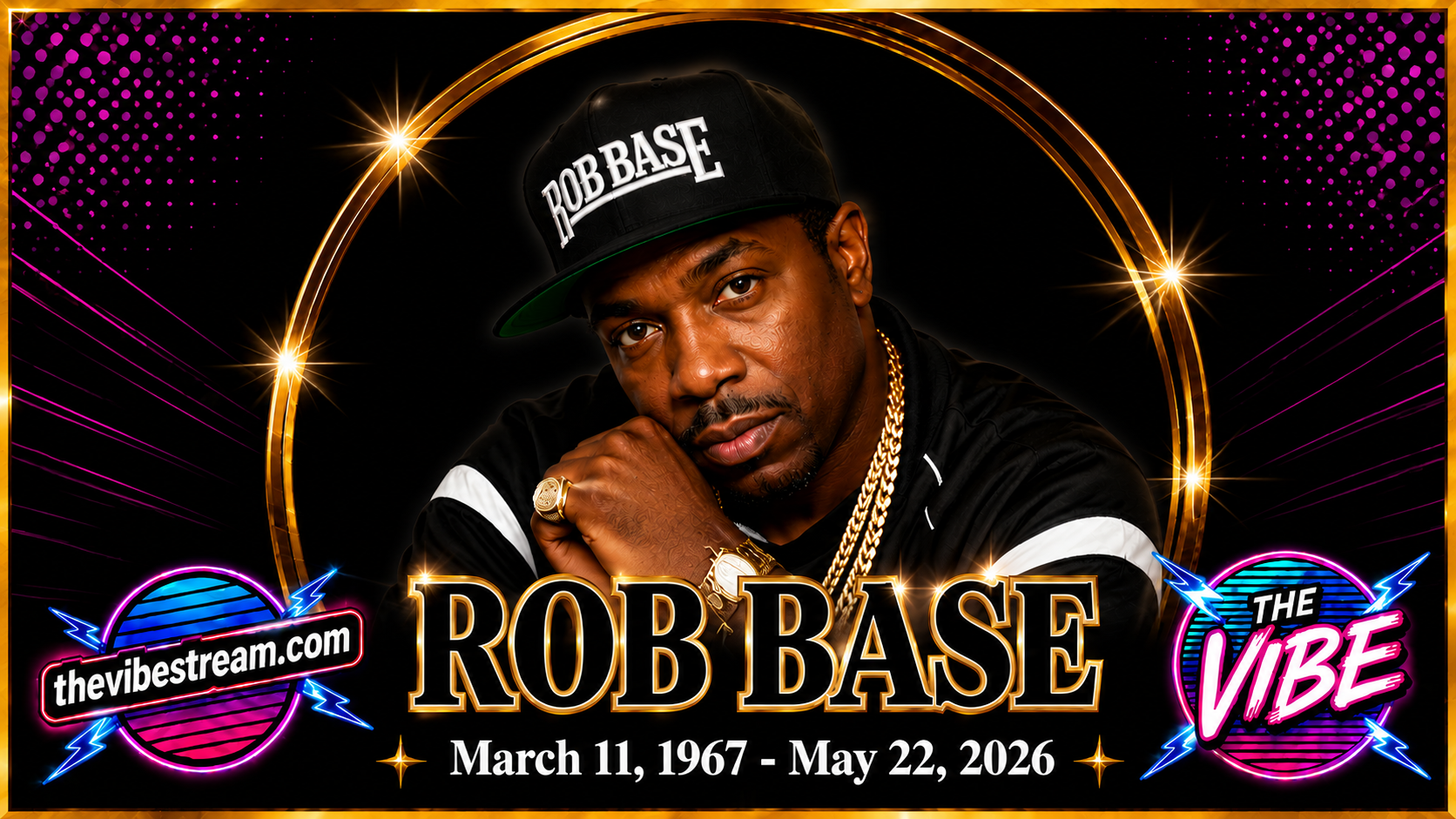
Long before hip-hop became the dominant force in global music culture, Rob Base helped prove rap music could move from neighborhood block parties to mainstream radio, sports arenas and dance floors around the world.
The Harlem-born rapper, best known as one-half of Rob Base and DJ E-Z Rock, helped shape one of the most recognizable eras in hip-hop history with the explosive 1988 anthem It Takes Two.
Now, following reports of his death at 59 after a private battle with cancer, fans across generations are revisiting the music, energy and legacy that made Rob Base one of the defining voices of old-school hip-hop.
From Harlem To Hip-Hop History
Born Robert Ginyard in Harlem, Rob Base came up during hip-hop’s formative years — a time when DJs, MCs and breakdancers were transforming New York City culture into a worldwide movement.
During the 1980s, hip-hop was still fighting for mainstream respect. Many artists were experimenting with what rap music could become. Some leaned into political commentary. Others focused on lyrical complexity. Rob Base carved out his lane through pure energy.
Alongside DJ E-Z Rock, Base helped create music that felt joyful, loud, celebratory and accessible. Their records blended booming beats, crowd chants, funk grooves and dance rhythms into songs that immediately connected with audiences.
That crossover appeal became their superpower.
“It Takes Two” Changed Everything
When “It Takes Two” was released in 1988, few could have predicted the impact it would have on music culture.
Powered by the iconic sample from Think (About It) by Lyn Collins and produced through the influence of James Brown’s funk legacy, the track exploded into clubs, radio stations and parties across America.
The song’s famous hook and relentless energy helped introduce millions of listeners to hip-hop in a way that felt less intimidating and more universal.
At a time when rap music still faced resistance from mainstream radio programmers and television outlets, “It Takes Two” became impossible to ignore.
The song succeeded because it combined several worlds: hip-hop, dance music, funk, call-and-response party culture, and pop accessibility.
That formula would later influence generations of artists ranging from crossover rap acts to mainstream pop performers.
Even decades later, “It Takes Two” remains one of the most recognizable hip-hop songs ever recorded.
More Than A One-Hit Wonder
While “It Takes Two” became their signature hit, Rob Base and DJ E-Z Rock delivered several other records that resonated with fans during the late 1980s and early 1990s.
Songs like “Joy and Pain” & “Get on the Dance Floor” continued the duo’s formula of energetic beats and feel-good party music.
“Joy and Pain,” built around a sample from Maze featuring Frankie Beverly, especially connected with Black audiences by blending classic soul influences with contemporary rap energy.
Their music represented a bridge between generations — bringing older funk and soul sounds into hip-hop spaces while making rap more approachable for mainstream audiences.
A Blueprint For Party Hip-Hop
Rob Base’s influence extended far beyond record sales.
His style helped establish what many fans now recognize as “party rap” — high-energy hip-hop built around crowd participation, memorable hooks and dance-floor momentum.
That approach later influenced: arena anthems, sports-event music, wedding playlists, DJ culture, and commercial crossover rap.
Artists across multiple generations borrowed from the formula Rob Base helped popularize: recognizable samples, chant-heavy hooks, upbeat production, and music designed to create shared experiences.
In many ways, “It Takes Two” became the template for songs intended to instantly energize crowds.
The Loss Of DJ E-Z Rock
In 2014, tragedy struck when DJ E-Z Rock — born Rodney Bryce — died at age 46.
For many fans, the death marked the end of one of hip-hop’s most beloved duos.
Still, Rob Base continued performing and celebrating their legacy through old-school hip-hop tours, festival appearances and nostalgia concerts. His performances often served as reminders of hip-hop’s early era — before streaming, before social media and before rap became the dominant global genre it is today.
Why Rob Base Still Matters
Hip-hop has evolved dramatically since the late 1980s, but Rob Base’s influence remains deeply woven into the culture.
His music continues to appear in: movies, commercials, sporting events, TikTok clips, party playlists, and DJ sets worldwide.
More importantly, he helped normalize the idea that hip-hop could be joyful, celebratory and commercially successful without losing its connection to Black culture and urban communities.
Artists today routinely blend rap with pop, dance, electronic and international sounds. Rob Base helped prove that approach could work decades ago.
For many listeners, his music represents more than nostalgia. It represents a moment when hip-hop was expanding beyond regional scenes and becoming a global soundtrack.
Remembering The Energy
As tributes continue pouring in online, many fans are remembering Rob Base not just for one iconic song, but for the feeling his music created.
His records brought people together.
Whether blasting through speakers at block parties, cookouts, clubs, weddings or basketball arenas, Rob Base’s music carried a kind of infectious joy that crossed generations and backgrounds.
And in a genre built on rhythm, movement and crowd connection, that may be one of the greatest contributions an artist can leave behind.